
In the Glimmering World of Jewelry Manufacturing
Imagine walking through a bustling jewelry factory, the hum of machines mingling with the delicate clinking of metal. In 2022, the jewelry manufacturing industry was valued at over $240 billion, illustrating its sheer impact on global markets. But what lies beneath the dazzling allure of a jewelry factory? Do you ever wonder how those sparkling gems on display make their journey from raw materials to spectacular pieces of art? Let’s explore this fascinating industry together — and discover the intricate processes involved.
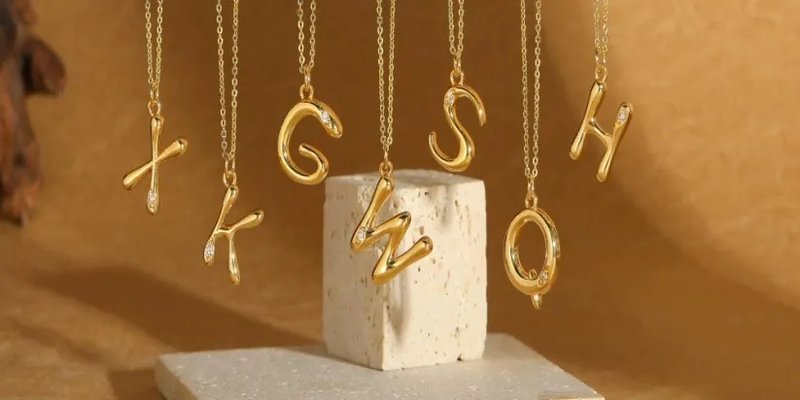
Traditional jewelry-making processes are intricate and demand precision. Still, they are not without their flaws—like elongated production cycles and heavy reliance on skilled craftsmanship, which can lead to inconsistencies. Transitioning from this manual precision to more efficient methods raises interesting questions.
The Invisible Challenges in Jewelry Manufacturing
Hidden within the polished exterior of a jewelry factory are several complexities that manufacturers face. At the forefront is the struggle with obsolete designs and processes that do not align with modern consumer demands. For instance, casting defects—often due to outdated techniques—can significantly reduce the quality of finished products. Alongside this is the issue of wastage: precious metals like gold and silver and gemstones, all subject to loss during production.
Why Sticking to Old Methods is Problematic
The traditional craftsmanship, while historically significant, lacks the consistency needed in today’s competitive market. Precise laser cutting and edge computing nodes in automated systems can potentially revolutionize production, reducing errors—funny how that works, right? Emphasizing modernization without losing artistry is a challenge manufacturers must tackle.
Bridging the Gap: Looking Ahead with Technology
Embracing technological advancements, jewelry factories must innovate to stay ahead. The integration of new technology principles like 3D printing and computer-aided design (CAD) systems allows for quicker prototyping and reduced resource consumption. By digitizing various stages of production, a jewelry factory can enhance coordination and maintain quality standards more efficiently.
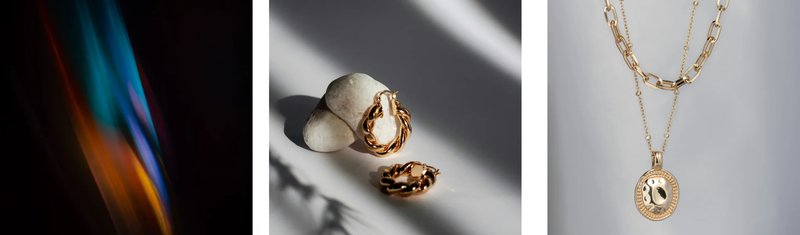
What’s Next: The Dawn of Smart Jewelry Manufacturing
Step into the future and imagine a factory where precision meets automation, and craftsmanship coexists with advanced technology. As jewelry manufacturing continues to evolve, the benefits become apparent—not only in reduced costs but also in consumer satisfaction due to personalized jewelry options and quick turnaround times. Evaluating these advancements by considering metrics like production time efficiency, defect rates, and consumer feedback will be key to success. As Star Harvest continues to pave the way in innovation, the horizon seems brighter than ever for these glittering artisans of industry.